
What Is a Progressive Web App (PWA)? Explained Simply (2026)
- vuetelemetry
- Guides
- 6 min read
A progressive web app is a website that behaves like an installed app - offline-capable, installable and fast, from one codebase. What a PWA is, how service workers and the manifest work, and the honest limits.
You may have visited a website that offered to 'Add to Home Screen', then opened later like a real app - full screen, working offline, even sending notifications. That is a Progressive Web App, or PWA. It is one of the most useful ideas in modern web development, and this guide explains what a PWA is, how it works, and why teams build them.
A progressive web app is a website built to behave like a native mobile or desktop app. It runs in the browser like any site, but with extra abilities: it can be installed to your home screen, work without an internet connection, load instantly, and send push notifications. It is 1 codebase, delivered over the web, that feels like an installed app.
How a PWA works
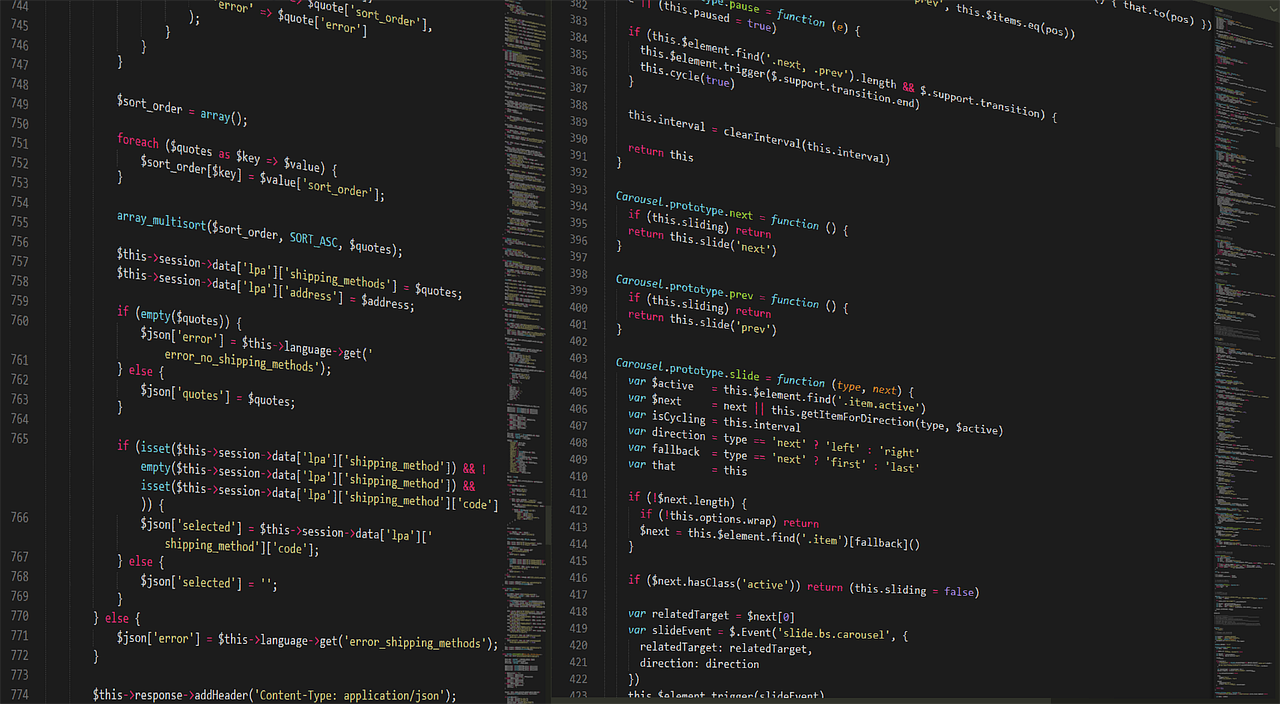
Two technologies make this possible. A service worker - a script that runs in the background - caches your files and handles network requests, which is what lets a PWA work offline and load fast. A web app manifest - a small JSON file, conventionally carrying the .webmanifest extension and served as application/manifest+json - tells the browser the app's name, icon and colours, so it can be installed and launched like a native app.
MDN describes the service worker lifecycle as 3 steps, download then install then activate, and service workers are only available in secure contexts: HTTPS, with http://localhost treated as secure so local development still works. Because it is still a website, a PWA needs no app store. You visit a URL and the browser offers to install it. There is no download queue, no store approval, and updates happen automatically the next time you open it. For users it is friction-free; for developers it skips a lot of platform gatekeeping.
Why teams build them
The appeal is reach and cost. Instead of building 3 separate iOS, Android and web versions, a team ships 1 web app that works everywhere - phone, tablet and desktop. That is cheaper to build and maintain, and it sidesteps app-store fees and review delays. Companies like Twitter, Spotify and Pinterest have shipped PWAs for exactly these reasons.
- Install to your home screen - no app store needed
- Work offline or on a poor connection, via a service worker
- Load almost instantly thanks to caching
- Send push notifications, where the platform allows it
- Run full screen like a native app, using a web app manifest
- Update automatically the next time you open it
Users benefit too. A PWA installs in seconds, takes little storage, and copes with a flaky connection. Faster loading and offline access keep people engaged, which is why PWAs often improve the numbers that matter - return visits and time on site.
The honest limits
PWAs are powerful but not unlimited. They run in a worker context, with no DOM access and on a different thread from the main script. On some platforms, access to deep device features - certain sensors, background tasks, or app-store presence - is more restricted than in a true native app, and historically support on iOS lagged behind Android. The gap has narrowed a lot, but it still exists for some features.
So the honest rule is: check the current support for the specific features you need. For most apps - content, tools, shops, dashboards - a PWA does everything required. If you need heavy hardware integration or deep operating-system hooks, a native app may still be the better fit.
The bottom line
A progressive web app is a website that behaves like an installed app: offline-capable, installable, fast and notification-ready, from a single codebase. It will not replace every native app, but for a huge range of products it offers most of the benefits at a fraction of the cost - which is why so many modern sites are, quietly, PWAs.


So the honest rule is: check the current support for the specific features you need. For most apps - content, tools, shops, dashboards - a PWA does everything required. If you need heavy hardware integration or deep operating-system hooks, a native app may still be the better fit.